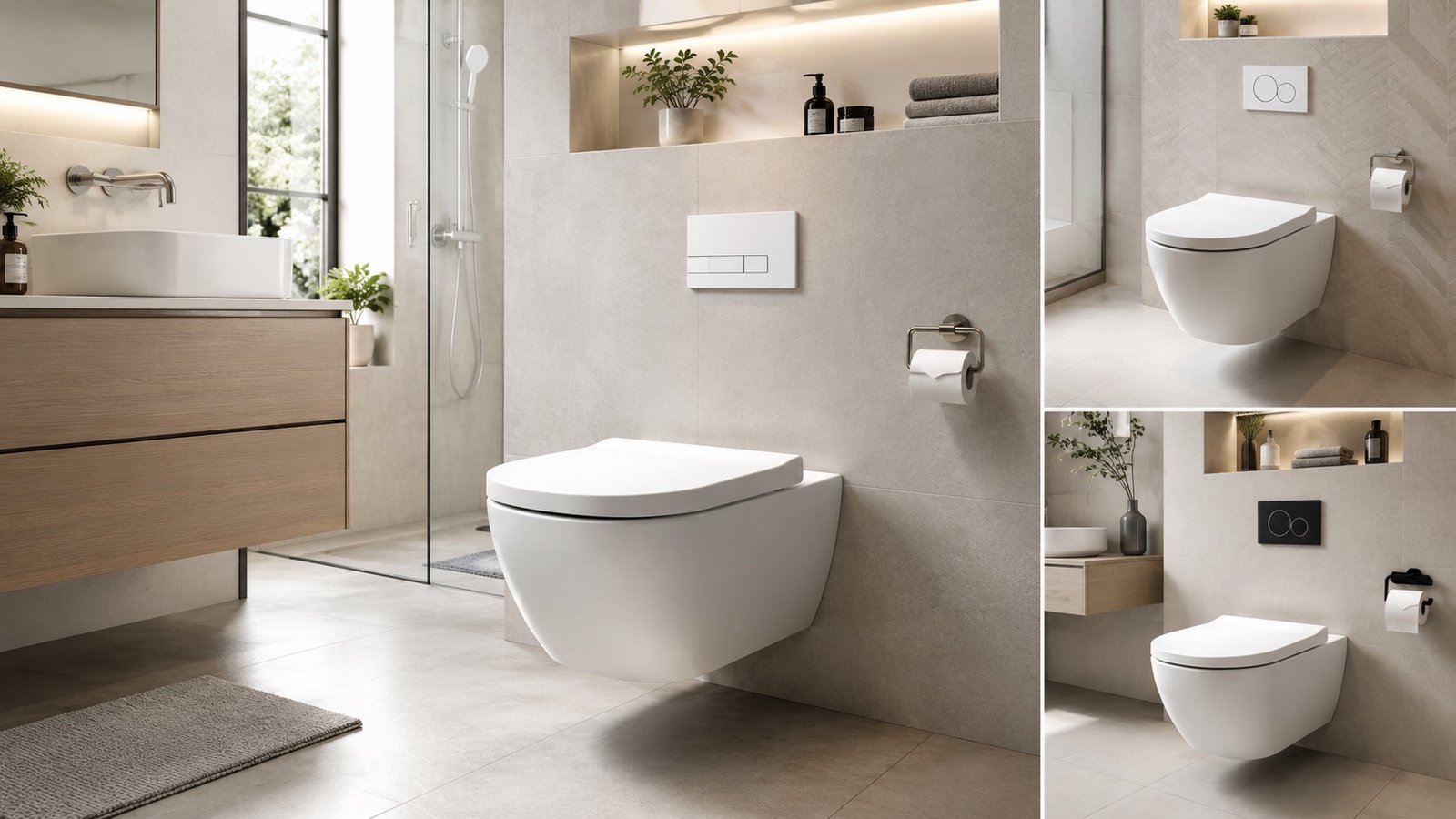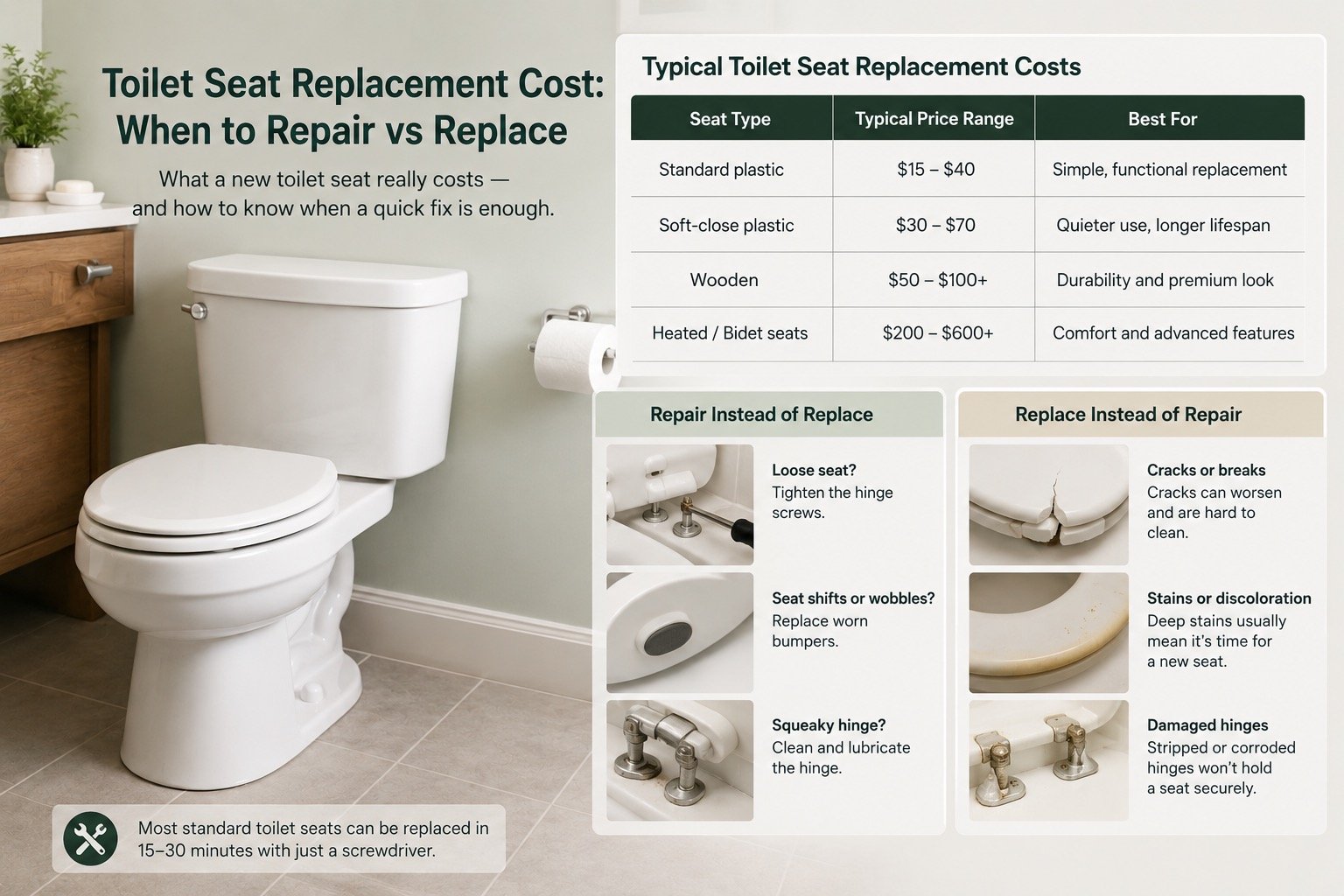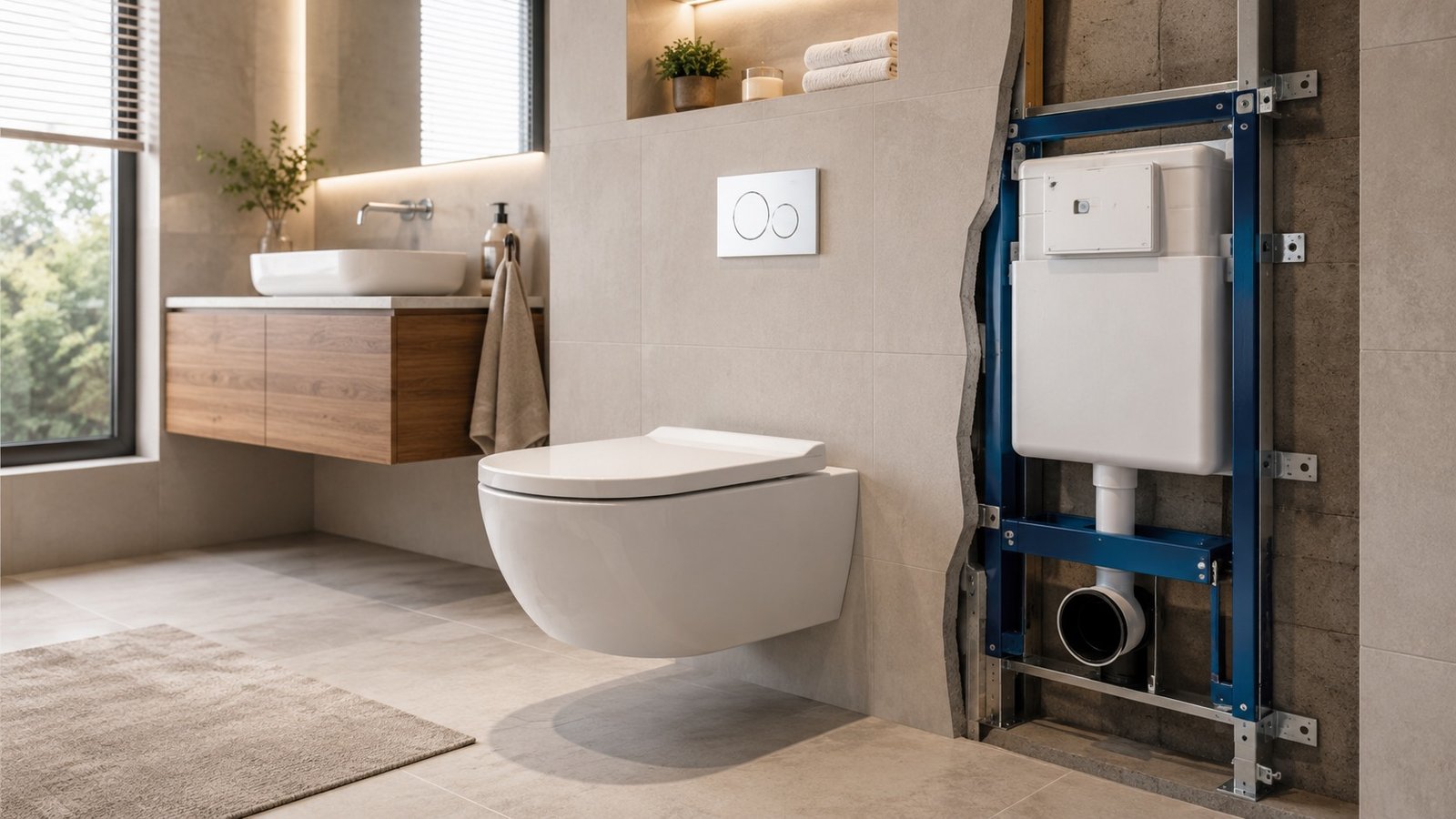
A ceramic toilet can look clean and glossy in a showroom yet still hide quality problems that appear after installation. Uneven glaze, pinholes, warped mounting surfaces, inconsistent dimensions, poor flushing geometry and weak quality control can turn a low-cost purchase into a long-term maintenance problem.
Why Ceramic Toilet Quality Is Hard to Judge at First Glance
Most toilets are evaluated visually before they are installed. Buyers naturally notice shape, color and design first. Unfortunately, many of the most important quality indicators are found in less obvious areas: the underside of the rim, the trapway, the mounting base, the tank connection, the outlet, bolt holes and the ceramic surfaces hidden against the wall or floor.
For homeowners, a poor-quality toilet may lead to cleaning difficulty, rocking, leaks or repeated flushing. For hotels, apartment projects, distributors and wholesalers, the same issue becomes more serious because a small defect rate can affect dozens or hundreds of units.
This is why ceramic toilet quality should be evaluated as a combination of appearance, dimensional accuracy, installation fit, flushing behavior and production consistency.
1. The Glaze Looks Uneven, Dull or Rough
The glazed surface is one of the first areas to inspect. A well-finished ceramic toilet should have a reasonably smooth, continuous surface with consistent color and gloss for the specified finish.
Warning Signs to Look For
- Noticeably rough areas that can be felt by hand.
- Uneven gloss across large visible surfaces.
- Cloudy patches or obvious color variation.
- Thin glaze near edges, curves or difficult-to-coat areas.
- Visible contamination trapped in the glaze.
A rough or inconsistent surface can make residue easier to retain and may make the toilet more difficult to keep clean. For project buyers, glaze consistency is also important because units installed side by side should have a uniform appearance.
2. You Can See Pinholes, Blisters or Surface Pits
Small defects can form during ceramic production and firing. A few isolated marks in non-critical areas may be cosmetic, but repeated pinholes, blisters or pits can indicate poor surface preparation, contamination or inconsistent processing.
Pinholes
Tiny holes or depressions visible in the glazed surface. Multiple pinholes in visible or wet areas reduce appearance and may make cleaning more difficult.
Blisters
Raised bubbles or swollen glaze areas may indicate trapped gas or firing-related surface defects.
Pits
Localized depressions can make the surface feel uneven and may collect residue over time.
Foreign Particles
Dark specks or inclusions trapped in the finish may be signs of contamination during preparation, glazing or firing.
3. Hairline Cracks or Crazing Appear on the Surface
Cracks deserve more attention than ordinary cosmetic marks. A visible structural crack near a mounting point, outlet, tank connection or load-bearing area should be treated seriously because ceramic is brittle and stress can increase after installation.
What About Crazing?
Crazing appears as a network of fine lines in or beneath the glaze. Depending on the ceramic and glaze system, it can result from differences in thermal expansion or processing conditions. If widespread crazing is present on a new toilet, buyers should question the consistency of the production process.
For bulk purchasing, cracked or heavily crazed units should not be treated as normal variation. A repeat pattern across a batch may indicate a process-control problem rather than an isolated defect.
4. The Toilet Is Warped or Does Not Sit Flat
Ceramic products can deform slightly during drying and high-temperature firing. Controlled manufacturing aims to keep deformation within acceptable limits. Excessive warping, however, can cause installation problems.
Typical Signs of Excessive Warping
- A floor-mounted toilet rocks before fixing.
- The mounting base does not contact the floor evenly.
- A wall-hung bowl does not align correctly against the finished wall.
- The tank and bowl of a two-piece toilet do not sit together evenly.
- The seat appears twisted even when correctly installed.
- Mounting holes look visibly misaligned.
Installers can compensate for small site variations, but a toilet should not require excessive shimming, force or sealant simply to achieve a stable installation.
5. The Dimensions Vary Too Much From Unit to Unit
Dimensional consistency is especially important for hotels, apartment buildings, retail programs and wholesale orders. A single toilet may appear acceptable on its own, but repeated variation can create major problems when hundreds of units must use the same rough-in, seat, carrier frame or installation template.
| Area to Check | Why Consistency Matters | Possible Problem if Inconsistent |
|---|---|---|
| Overall bowl dimensions | Controls fit and visual consistency | Uneven appearance across project rooms |
| Outlet position | Must match drainage connection | Difficult installation or poor sealing |
| Mounting holes | Must align with bolts or carrier systems | Forced installation or rework |
| Seat fixing holes | Must match the specified seat | Loose or misaligned seat |
| Tank-to-bowl interface | Critical on two-piece toilets | Uneven fit or sealing difficulty |
| Wall contact surface | Important for wall-hung models | Visible gaps or unstable mounting |
6. Hidden Ceramic Areas Are Poorly Finished
Low-quality products sometimes look acceptable where customers can see them while receiving much less attention in hidden areas. Buyers should inspect the bottom, outlet, internal passages and mounting zones rather than judging only the visible exterior.
Areas Worth Checking
- Trapway entrance and outlet
- Underside of the bowl
- Mounting and bolt holes
- Tank connection surfaces
- Areas behind wall-hung bowls
- Seat fixing surfaces
- Water inlet and outlet openings
- Unfinished ceramic edges
These hidden areas influence sealing, drainage, mounting and long-term reliability. Poor finishing here can create problems that are invisible until installation begins.
7. The Flush Looks Strong but Does Not Clean the Bowl Evenly
A loud or dramatic flush is not the same as effective flushing. Good toilet performance depends on how water is distributed around the bowl, how waste enters the trapway and how efficiently the system clears the bowl.
Possible Warning Signs
- Large areas of the bowl receive little water coverage.
- Waste frequently remains after a normal flush.
- The toilet requires repeated flushing during ordinary use.
- Water splashes excessively outside the intended flow path.
- The flush varies noticeably between identical units.
- Drainage is slow even when the installation is correct.
Flush performance should be checked together with bowl geometry, water distribution and trapway design. It should not be judged only by flush volume or sound.
8. The Trapway or Outlet Looks Restricted or Irregular
The trapway is one of the most functionally important parts of a toilet, yet it is difficult for buyers to inspect completely. Irregular internal passages, poor finishing or inconsistent geometry can increase the risk of weak discharge or blockage.
From the accessible areas, buyers can still look for obvious restrictions, rough ceramic transitions, malformed outlets or inconsistent outlet shape. For bulk sourcing, functional testing is more reliable than visual inspection alone.
9. The Seat, Lid or Fittings Do Not Align Correctly
A ceramic body can be acceptable while the overall toilet still feels low quality because of mismatched components. The seat should align reasonably with the bowl, hinges should feel stable and the lid should not visibly twist or shift when installed correctly.
Common Component Warning Signs
- Seat overhang varies noticeably from left to right.
- Hinges loosen quickly during normal use.
- Soft-close movement is inconsistent.
- Flush buttons feel loose or unstable.
- Tank fittings are difficult to adjust or seal.
- Replacement parts are difficult to identify.
For distributors and project buyers, component availability matters because seats, valves and fittings may need replacement long before the ceramic body reaches the end of its useful life.
10. The Toilet Rocks, Leaks or Needs Excessive Sealant During Installation
Some installation problems come from the floor, wall or plumbing rather than the toilet itself. However, when multiple units repeatedly require unusual adjustment, the ceramic dimensions or sealing surfaces should be investigated.
A correctly manufactured toilet should provide reasonably consistent mounting and connection surfaces. Installers should not need to use excessive force to align it with the waste outlet, carrier bolts, tank connection or seat mounting points.
11. The Supplier Cannot Explain Its Quality-Control Process
Product quality is not only visible in the finished toilet. It is also reflected in how consistently a manufacturer or supplier controls production and inspection.
Professional buyers should be able to ask basic questions about incoming materials, forming, drying, glazing, firing, dimensional inspection, water testing, leakage inspection, visual inspection and packaging checks.
Useful Questions for a Supplier
- Are finished toilets checked for cracks, glaze defects and deformation?
- Are critical dimensions measured before packing?
- Are toilets function-tested or water-tested before shipment?
- How are leaking units identified?
- How are seats and fittings checked for compatibility?
- How are rejected products separated from qualified goods?
- What packaging is used to protect ceramic products during export transport?
12. Packaging Looks Too Weak for Heavy Ceramic Products
Even a properly manufactured toilet can arrive damaged if packaging is inadequate. Ceramic toilets are heavy, brittle and vulnerable to impact at corners, mounting points and projecting edges.
For export and project supply, packaging should protect the ceramic against vibration, stacking pressure and handling impacts. Buyers should pay particular attention to internal support around the bowl, tank and exposed edges.
Packaging Problems That Deserve Attention
- Loose movement inside the carton.
- Little or no edge protection.
- Bowl and tank touching directly in two-piece packaging.
- Weak cartons that collapse under normal stacking.
- No clear separation of fittings and ceramic parts.
- High breakage rates reported after transport.
Quick Inspection Checklist Before You Buy
Whether you are checking one toilet or approving a production sample for a larger order, this short checklist can help identify obvious risks.
| Inspection Item | What Good Quality Generally Looks Like | Warning Sign |
|---|---|---|
| Glaze | Smooth, consistent finish | Rough patches, obvious unevenness |
| Surface | Clean ceramic with limited cosmetic variation | Repeated pinholes, blisters, pits or inclusions |
| Structure | No visible structural cracking | Cracks near outlets or mounting areas |
| Shape | Stable and symmetrical installation surfaces | Excessive warping or rocking |
| Dimensions | Consistent key dimensions | Large variation between units |
| Flush | Stable clearing and bowl coverage | Frequent repeat flushing or poor coverage |
| Components | Seat and fittings align correctly | Loose, twisted or poorly matched parts |
| Packaging | Secure internal support | Loose ceramic or weak edge protection |
Low Price vs. Low Quality: They Are Not the Same Thing
A lower-priced toilet is not automatically a low-quality toilet. Price can be influenced by design complexity, branding, packaging, production volume, fittings, logistics and market positioning.
The more useful question is whether the product is consistent, functional and suitable for the intended project. A simple ceramic toilet with stable dimensions, a good surface and dependable flushing can be a better purchase than a more decorative model with inconsistent production.
For bulk buyers, consistency across the shipment is often more important than how impressive one sample looks.
FAQ: Ceramic Toilet Quality
How can I tell whether a ceramic toilet has good glaze?
Inspect the surface under good light and feel accessible areas by hand. A quality glaze should be reasonably smooth and consistent, without widespread roughness, obvious thin patches or repeated surface defects.
Are small pinholes in ceramic toilets normal?
Minor isolated cosmetic variation can occur in fired ceramic products, but repeated pinholes, especially in visible or frequently wetted areas, may indicate inconsistent surface quality.
Does a heavier toilet always mean better quality?
No. Weight alone does not prove quality. Ceramic formulation, design geometry, wall thickness, firing, glazing, dimensional accuracy and functional performance are more useful indicators.
What is the most serious ceramic defect?
Structural cracks, excessive deformation, poor sealing surfaces and functional defects deserve more attention than minor cosmetic marks because they can directly affect installation, leakage risk or service life.
How should a hotel or apartment project inspect toilets before a large order?
Project buyers should approve samples, confirm critical dimensions, review flushing and leakage tests, check seats and fittings, inspect packaging and verify that the supplier uses a repeatable quality-control process.
Can a good-looking toilet still be low quality?
Yes. Some problems are hidden in the outlet, trapway, mounting surfaces, dimensions or internal flushing geometry. Appearance should be only one part of the inspection.
Final Takeaway: Judge the Whole Toilet, Not Just the Shine
A low-quality ceramic toilet often reveals itself through a combination of signs rather than one obvious defect. Uneven glaze, repeated pinholes, cracks, warping, inconsistent dimensions, poor component fit, unstable flushing and weak inspection procedures should all raise questions.
For homeowners, careful inspection can prevent inconvenient installation and maintenance problems. For wholesalers, distributors, hotels and construction projects, the priority should be production consistency across many units.
The best buying decision is based on surface quality, dimensional accuracy, installation fit, flushing performance, component compatibility, quality control and transport protection—not appearance or price alone.
Educational guide for ceramic toilet purchasing, inspection and project sourcing.