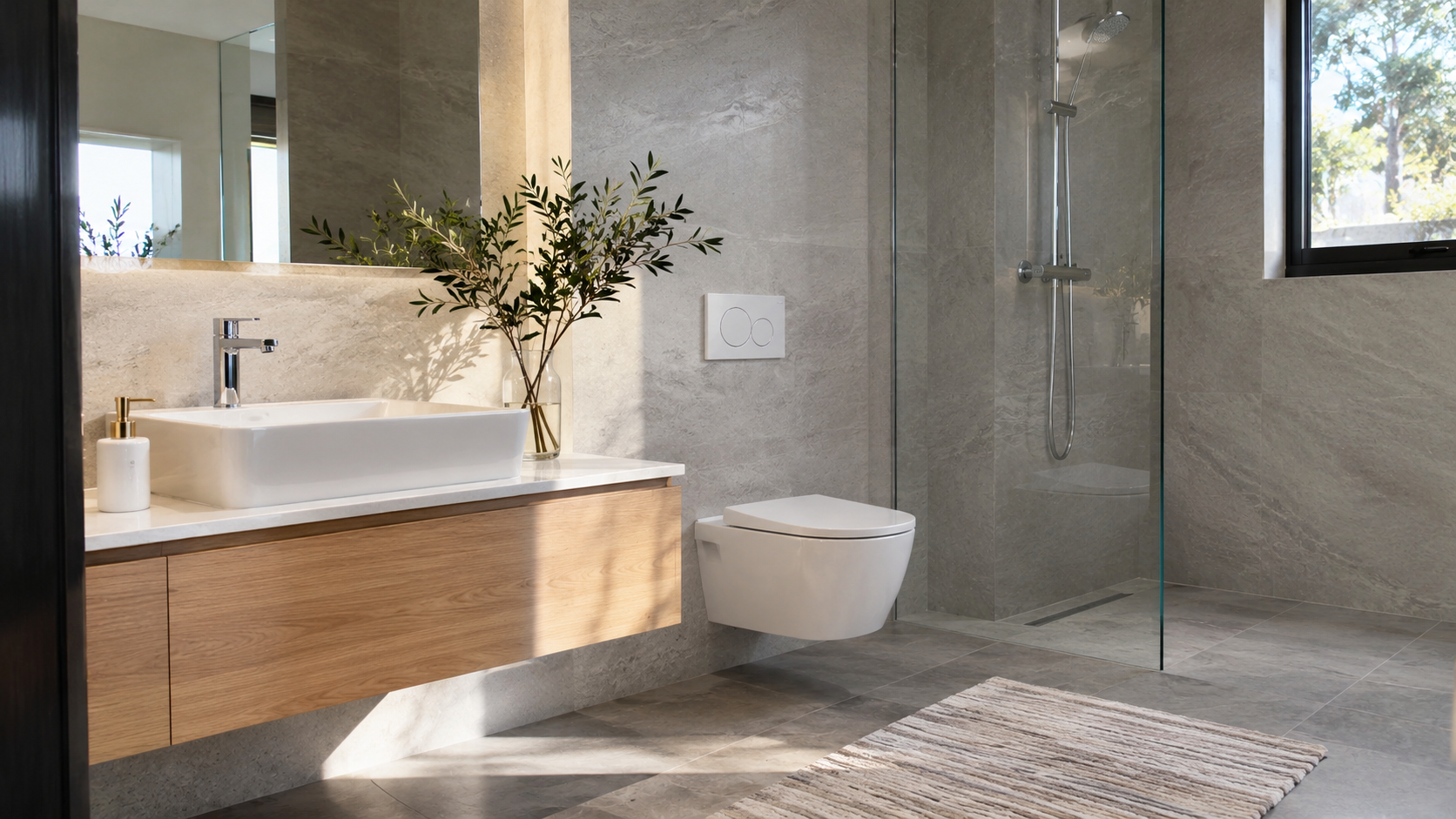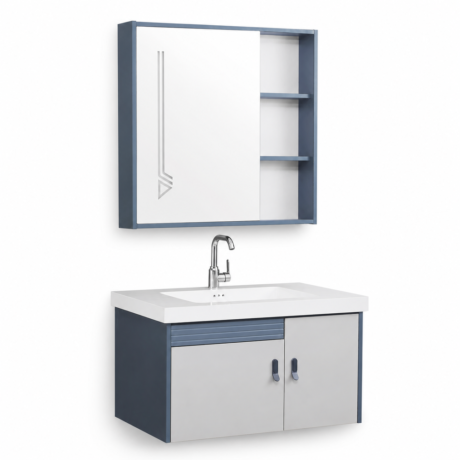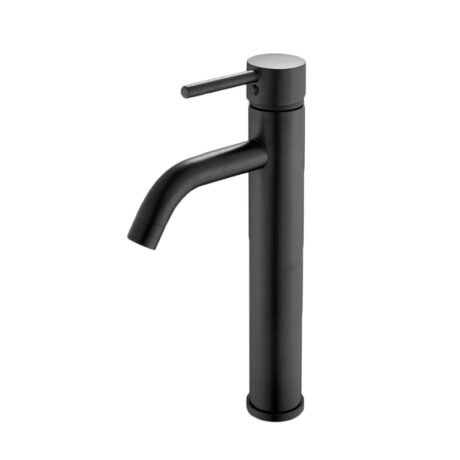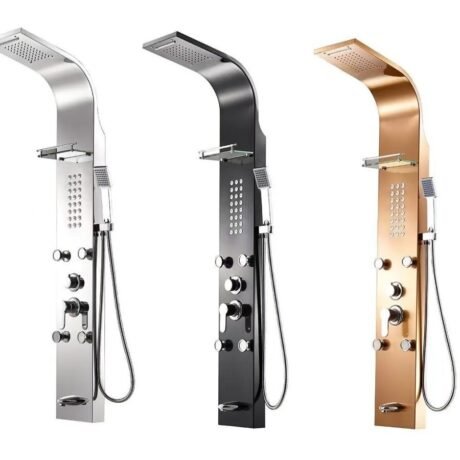
For 2026 bathroom projects, the strongest design direction is not simply more luxury. It is a calmer, more considered mix of tactile materials, low-maintenance surfaces, purposeful storage, and fixtures that make a space feel open without becoming generic.
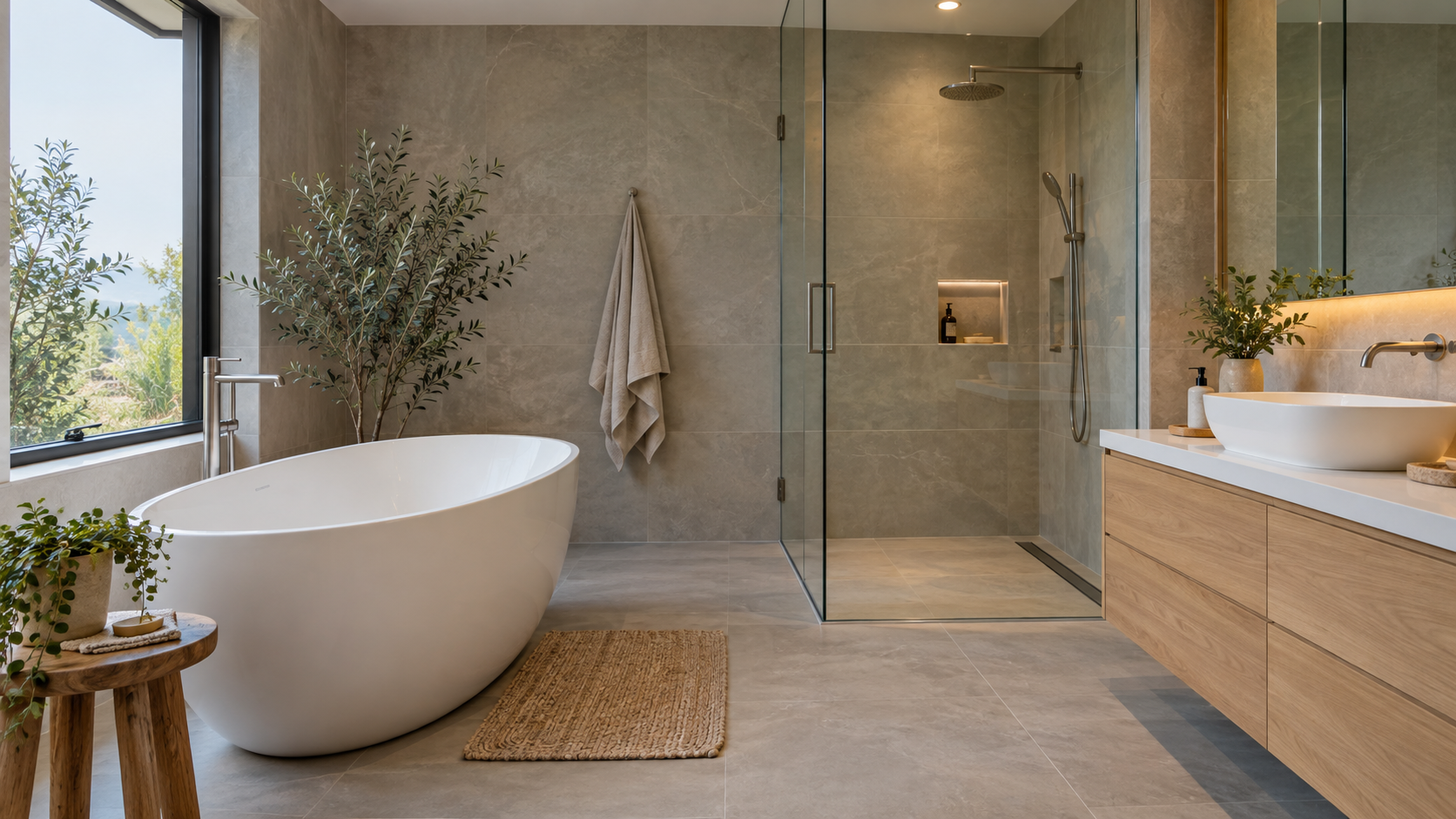
The 2026 renovation ideas published by Reveal by KOHLER offer a useful lesson for architects, distributors, hospitality buyers, and project teams: visual impact and everyday practicality should be specified together. Natural-looking finishes, open shower zones, coordinated hardware, and built-in storage can create bathrooms that photograph well and work hard.
Specify the feeling of the room first—warmth, openness, calm, texture—then select fixtures with compatible geometry, finish, installation requirements, and service needs.
1. Natural Textures Make Minimal Spaces Feel Human
Cool white bathrooms are giving way to spaces with more visual depth. Stone-inspired wall surfaces, warm wood tones, textured ceramics, and soft earth colors make a compact room feel more welcoming without adding clutter. The key is restraint: use one dominant natural material, then repeat its temperature through accents and lighting.
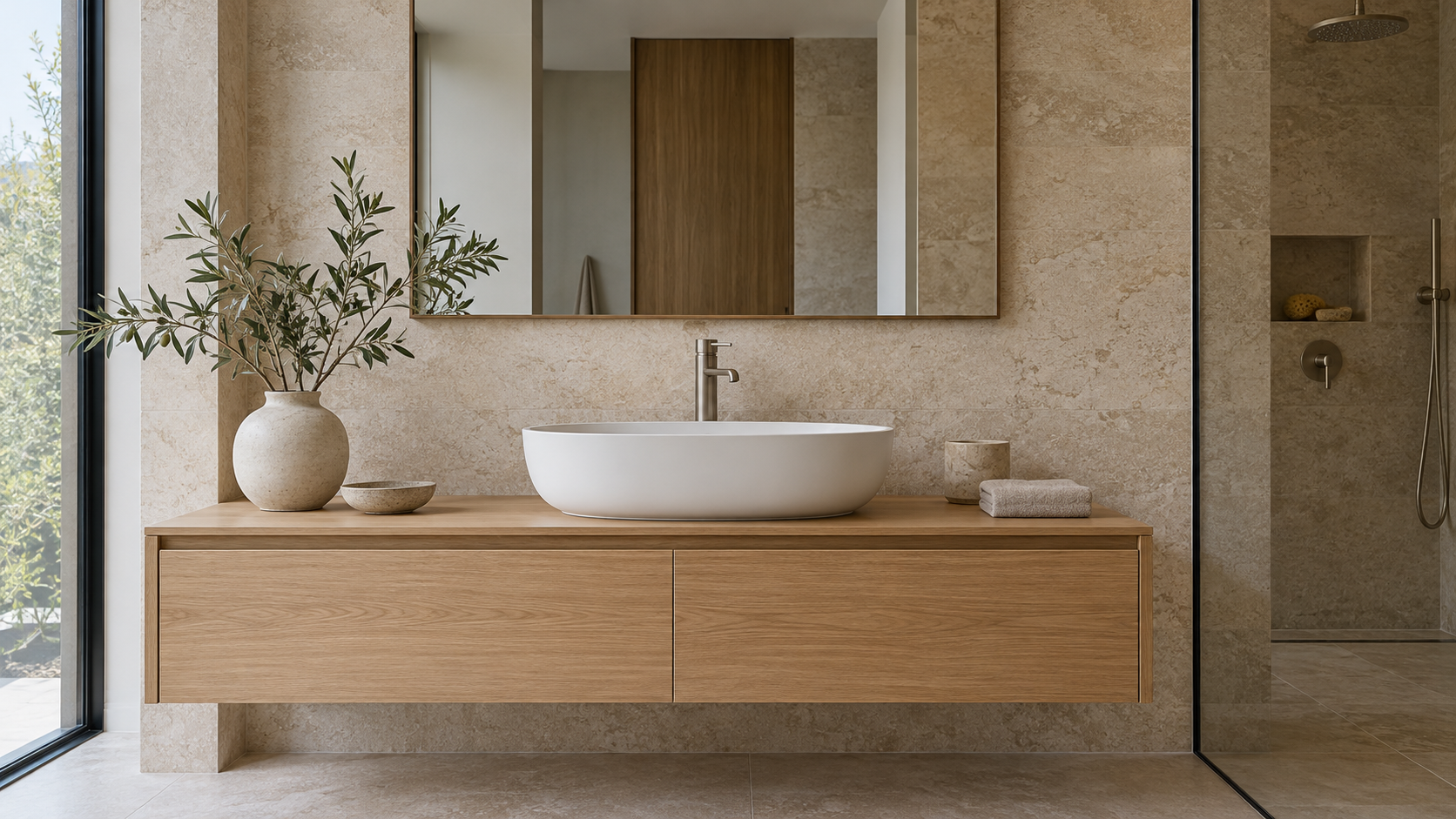
For B2B specifications, this is also a durability conversation. Buyers should prioritize glazed ceramic, easy-clean surfaces, appropriately sealed cabinetry, and finishes that retain a consistent appearance across multiple rooms. A neutral architectural base lets a project refresh towels, accessories, or accent colors later without replacing core fixtures.
2. Minimalist Fixtures Keep the Architecture in Focus
Minimalism in 2026 is less about removing everything and more about removing visual friction. Concealed components, simple forms, and clear floor space help a bathroom feel generous—particularly in guest rooms and apartments where every inch matters. A wall-hung toilet is a natural fit because its raised installation keeps the floor sightline continuous and simplifies routine cleaning.

The AIDI-WM180 wall-mounted toilet is designed for concealed-cistern planning and uses an elongated square bowl, P-trap 180 mm outlet, soft-close seat, and high-temperature glazed vitreous china. For project buyers, confirm the carrier frame, cistern, drainage, service access, and replacement plan before purchase.
3. Plan the Palette Across Categories
A well-resolved bathroom uses repetition more than matching. A crisp white ceramic basin can echo a white WC, while a brushed or matte metal faucet carries the same warm-neutral story into the vanity zone. This creates a finished look without forcing every component to come from one visual family.
| 2026 Direction | Specification Move | Project Benefit |
|---|---|---|
| Nature-inspired warmth | Pair white ceramic with stone, oak, or warm-neutral finishes | Timeless look that is easier to update |
| Open visual field | Use wall-hung fixtures and clean-lined storage | Better perceived space and easier floor cleaning |
| Low-maintenance luxury | Choose glazed, nonporous, easy-clean surfaces | Supports operational durability |
4. Build a Cohesive AIDI Bathroom Program
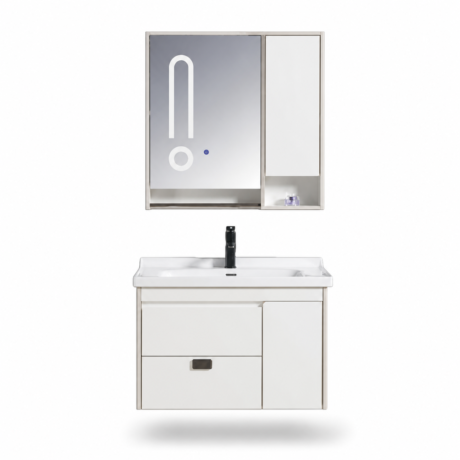
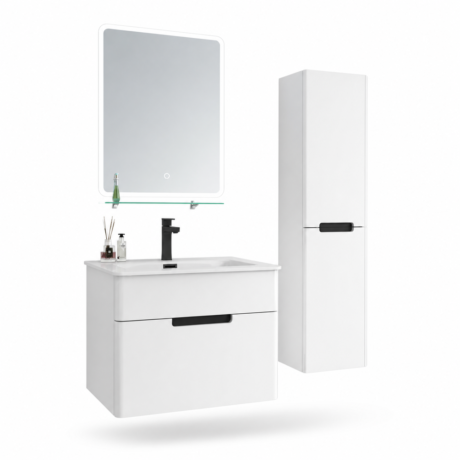
For a project that needs a contemporary, streamlined look, a wall-hung WC and a white countertop basin provide a flexible starting point. Both support a clean visual language while allowing the vanity, faucet, mirror, and lighting package to shape the final character of the room.
AIDI-WM180 Wall-Mounted Toilet
For floor-clear layouts and concealed-cistern planning.
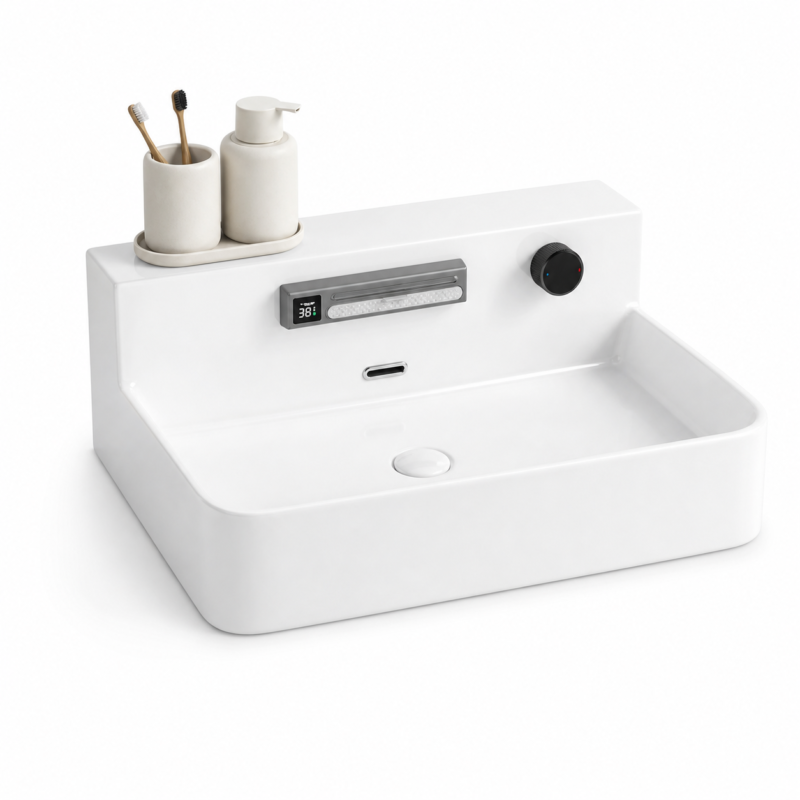
AIDI Ceramic Countertop Basin
A simple white ceramic anchor for modern vanities.
Explore the broader AIDI Bath product range or the wall-hung toilet collection when building a multi-room fixture schedule.
5. Design for Maintenance, Not Just the Reveal
Long-term performance is now part of the design brief. Built-in niches reduce countertop clutter; frameless glass preserves light; smooth wall materials can minimize grout maintenance; and well-considered fixtures make cleaning routes more efficient. In hospitality and multifamily work, these details influence housekeeping time, guest perception, and replacement planning long after handover.
Ask suppliers early for technical drawings, outlet and rough-in data, required in-wall components, packing information, lead times, and OEM options. These steps keep the visual concept connected to an executable specification.
Frequently Asked Questions
What defines the 2026 bathroom look for B2B projects?
Warm natural textures, clean-lined fixtures, open sightlines, and easy-care surfaces are central themes.
Why use a wall-hung toilet?
Wall-hung installation leaves the floor visible, supports easier cleaning, and can make a compact room feel more open.
Can AIDI support bulk and customized projects?
AIDI lists OEM/ODM support on cited product pages. Contact the supplier with quantities, drawings, markets, and packaging needs.
Editorial note: This article is independently prepared by AIDI Bath as design commentary. KOHLER and related marks belong to their respective owners. AIDI Bath is not affiliated with, sponsored by, endorsed by, or partnered with KOHLER.
Planning a modern bathroom program?
Explore AIDI Bath fixtures for hotel, apartment, distribution, and private-label projects.
Explore AIDI Bath Products