Choosing the right toilet involves more than appearance. Installation method, drainage configuration, flushing system, water efficiency, bathroom space, and maintenance can all affect the final choice.
For homeowners, understanding the different types of toilets makes comparison easier. For importers, distributors, contractors, and hotel projects, these differences also matter when defining specifications and sourcing sanitary ware.
Here are 15 common toilet types and their typical applications.
1. One-Piece Toilets
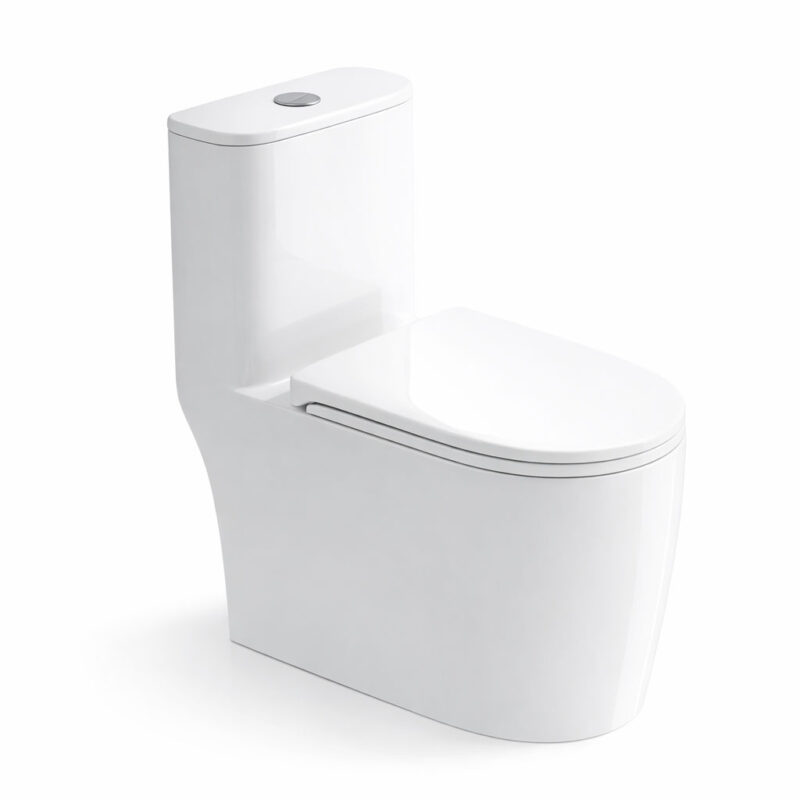
A one-piece toilet combines the tank and bowl into a single ceramic body. The seamless design looks clean and has fewer exterior joints to maintain. It is widely used in modern homes, hotels, apartments, and projects where appearance and easy cleaning matter.
Explore AIDI Bath one-piece toilets, or compare one-piece and two-piece toilets.
2. Two-Piece Toilets
A two-piece toilet has a separate tank and bowl assembled during installation. This familiar configuration offers broad availability and can be easier to handle during shipping and installation.
3. Wall-Hung Toilets
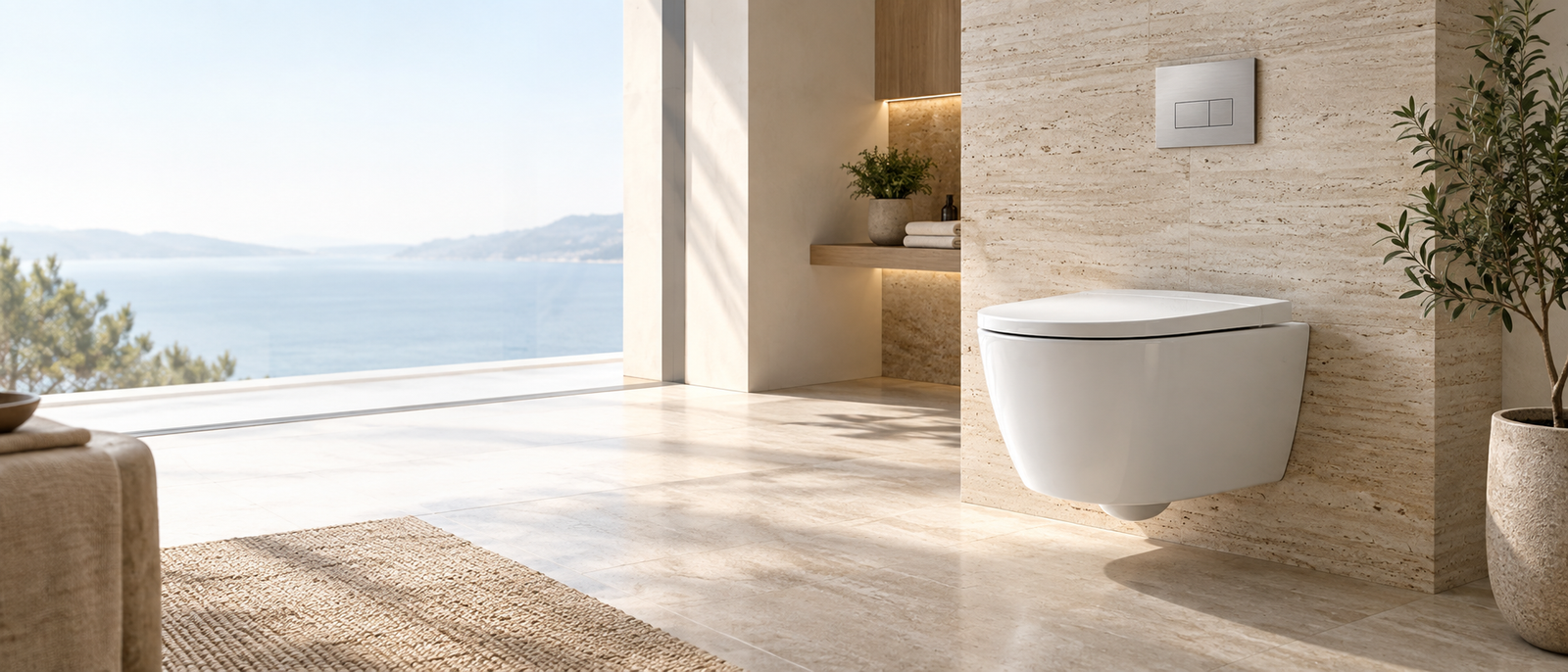
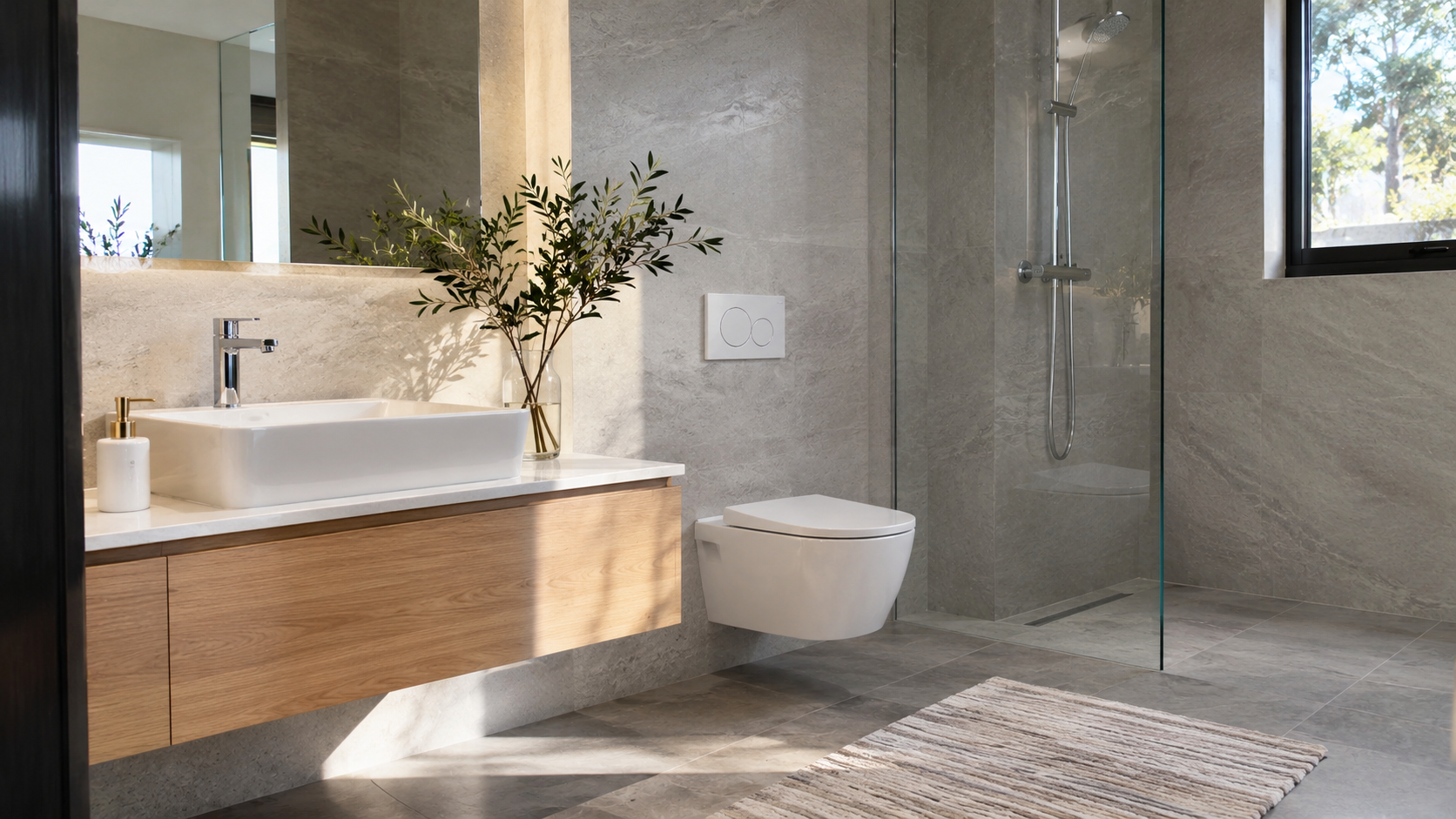
A wall-hung toilet is mounted above the floor on a structural carrier, while the cistern is usually concealed behind the wall. It creates a minimalist appearance and makes the floor underneath easier to clean. It is a popular option for modern hotels, apartments, and premium residential projects.
See the wall-hung toilet collection or read about wall-hung toilet pros and cons.
4. Floor-Mounted Toilets
A floor-mounted toilet is installed directly on the bathroom floor. This is one of the most common configurations worldwide, with many sizes, styles, flushing systems, and drainage options available.
5. Smart Toilets
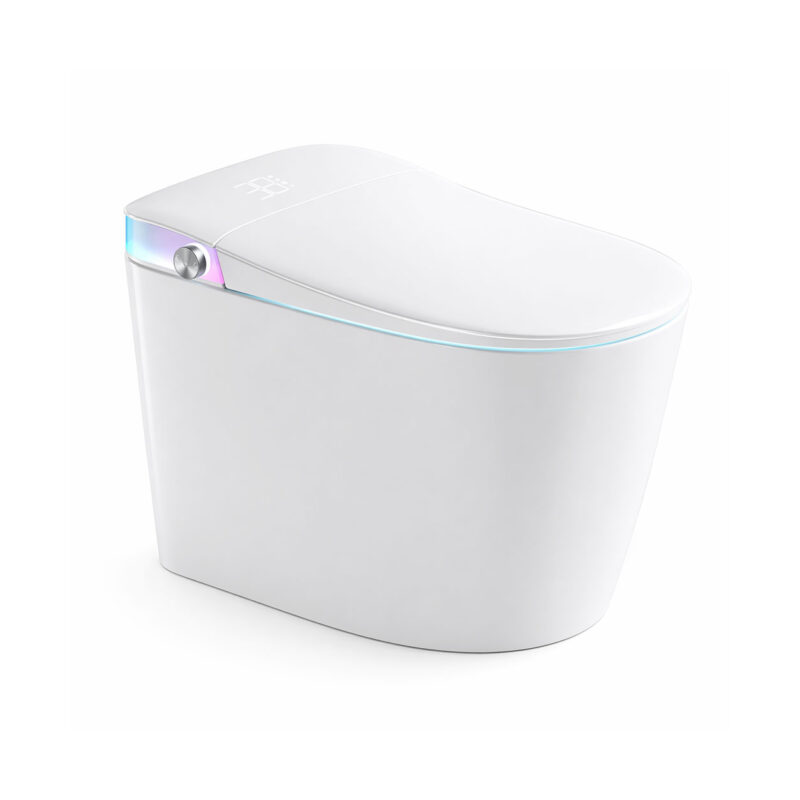
A smart toilet integrates electronic hygiene and comfort features. Depending on the model, these can include bidet washing, heated seats, warm-air drying, automatic flushing, deodorization, night lighting, and sensor controls.
Explore AIDI Bath smart toilets, including this CE-certified smart toilet.
6. Tankless Toilets
Tankless toilets eliminate the traditional visible ceramic tank. Flushing water may come from the plumbing system or an integrated flushing mechanism. Their compact appearance suits contemporary and space-conscious bathrooms, but water pressure and plumbing requirements should be confirmed first.
7. Dual-Flush Toilets
A dual-flush toilet provides two flush volumes: a lower-volume option for liquid waste and a higher-volume option for solid waste. This can reduce unnecessary water use while retaining appropriate flushing performance.
Learn how dual-flush systems reduce water use.
8. Siphonic Toilets
A siphonic toilet uses water movement and trapway geometry to create a siphoning action that draws waste into the drainage system. These models often maintain a relatively high bowl water level and are common in specific international markets.
9. Washdown Toilets
A washdown toilet primarily uses the force of flowing water to push waste through the outlet. The best choice between siphonic and washdown systems depends on local plumbing standards, water-efficiency requirements, and market preferences.
10. Rimless Toilets
A rimless toilet removes much of the traditional enclosed rim and uses designed water channels to distribute flushing water. With fewer hard-to-reach areas, its bowl can be easier to inspect and clean.
11. S-Trap Toilets
An S-trap toilet usually connects to drainage through the floor. Buyers should confirm the rough-in distance before ordering, as projects and markets use different dimensions.
12. P-Trap Toilets
A P-trap toilet generally discharges horizontally through a wall connection. Outlet height and connection dimensions should be checked against the plumbing layout.
For a practical comparison, see S-trap vs P-trap toilets.
13. Back-to-Wall Toilets
A back-to-wall toilet sits close to the wall, reducing visible plumbing. It offers a clean look for contemporary residential, hospitality, and commercial bathrooms.
14. Comfort Height Toilets
Comfort height toilets provide a higher seating position than many conventional toilets. The added height can make sitting and standing easier for some users. For accessible projects, verify the applicable local standard rather than relying only on the label.
15. Water-Saving Toilets
Water-saving toilets reduce water use through lower flush volumes, dual-flush mechanisms, improved bowl geometry, or optimized water channels. For international projects, verify actual flush volume and relevant efficiency requirements before ordering.
Quick Comparison of Toilet Types
| Toilet Type | Main Feature | Common Application |
|---|---|---|
| One-Piece | Integrated tank and bowl | Homes, hotels |
| Two-Piece | Separate tank and bowl | General residential |
| Wall-Hung | Bowl mounted above floor | Modern projects |
| Smart | Electronic functions | Premium bathrooms |
| Dual-Flush | Two flush volumes | Water-conscious projects |
| S-Trap / P-Trap | Floor or wall drainage | Plumbing-specific installations |
How to Choose the Right Toilet
Before selecting a model, confirm the drainage configuration, rough-in dimensions, flushing system, water efficiency, available bathroom space, and maintenance requirements. Wall-hung and back-to-wall designs can optimize smaller spaces; hotels and commercial projects should also consider cleaning access, replacement parts, and long-term serviceability.
Choosing Toilets for B2B and Commercial Projects

For importers, distributors, contractors, hotels, and large construction projects, selection goes beyond design. Evaluate product dimensions, drainage configuration, flush performance, required certifications, quality consistency, packaging, container loading, replacement parts, OEM/ODM requirements, and production capacity.
Samples should be evaluated before large-volume orders. Learn more about AIDI Bath’s sanitary ware manufacturing capabilities.
Frequently Asked Questions
What are the most common types of toilets?
Common types include one-piece, two-piece, wall-hung, floor-mounted, smart, siphonic, washdown, rimless, S-trap, and P-trap toilets.
What is the difference between one-piece and two-piece toilets?
A one-piece toilet integrates tank and bowl in one ceramic body; a two-piece toilet uses separate components assembled during installation.
Are wall-hung toilets better than floor-mounted toilets?
Neither is universally better. Wall-hung toilets offer easy floor cleaning and a minimalist look, while floor-mounted options use a familiar installation arrangement.
Which toilet uses less water?
Water use depends on actual flush volume and flushing technology. Dual-flush and water-efficient designs can reduce consumption when correctly specified.
Conclusion
There is no single best toilet for every bathroom. Choose a model that matches the installation method, drainage system, dimensions, flushing technology, water consumption, design, and maintenance requirements of the intended application.