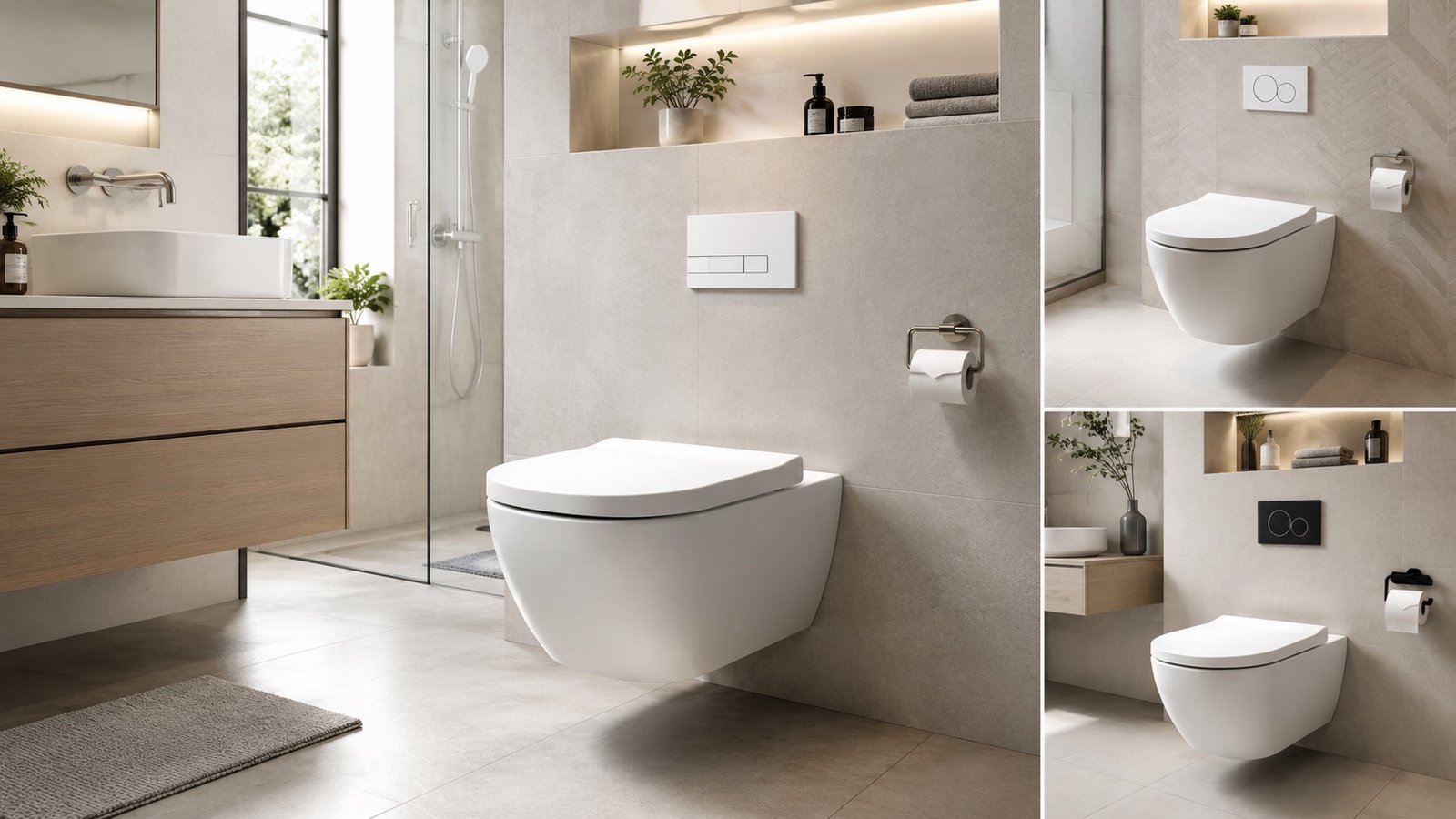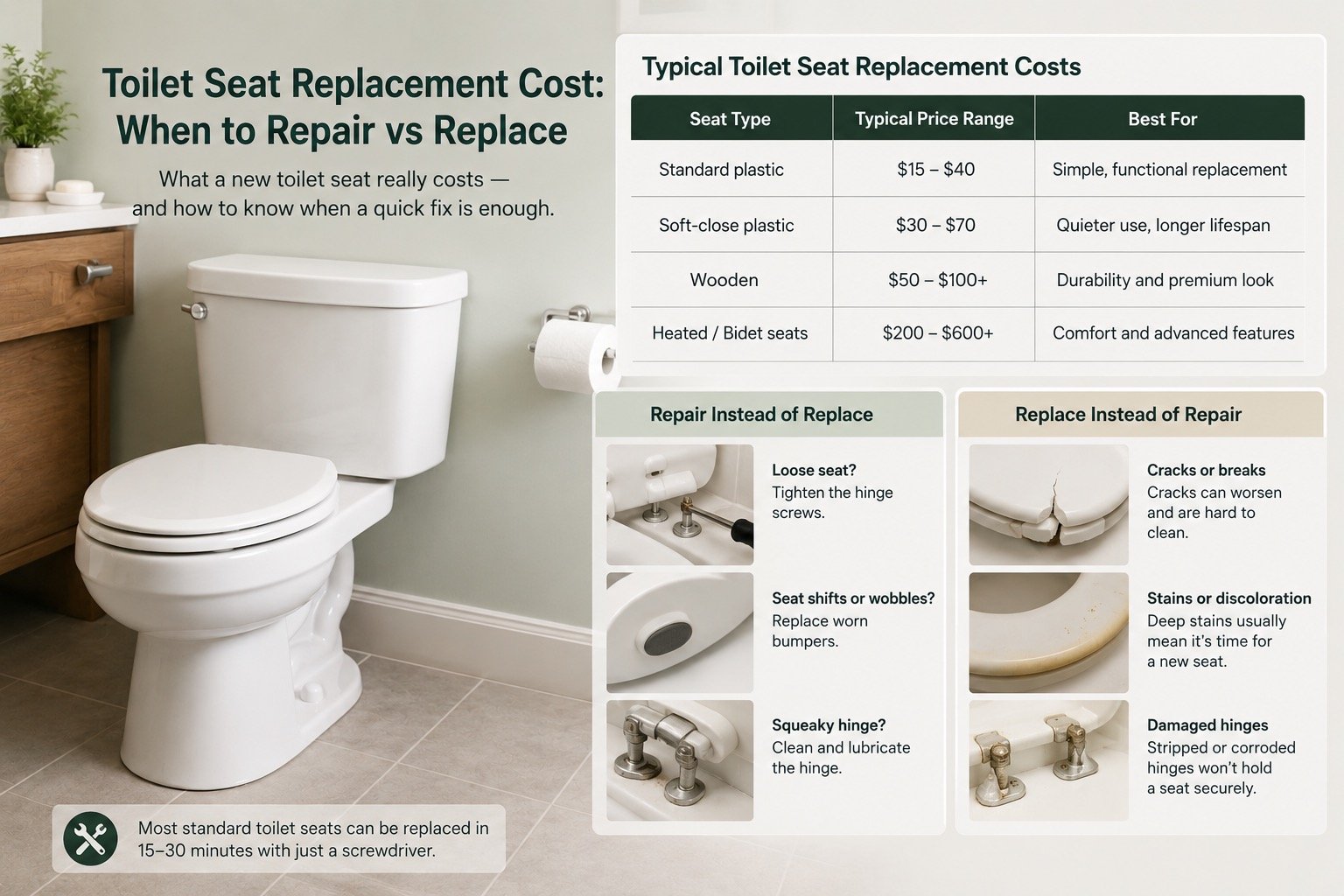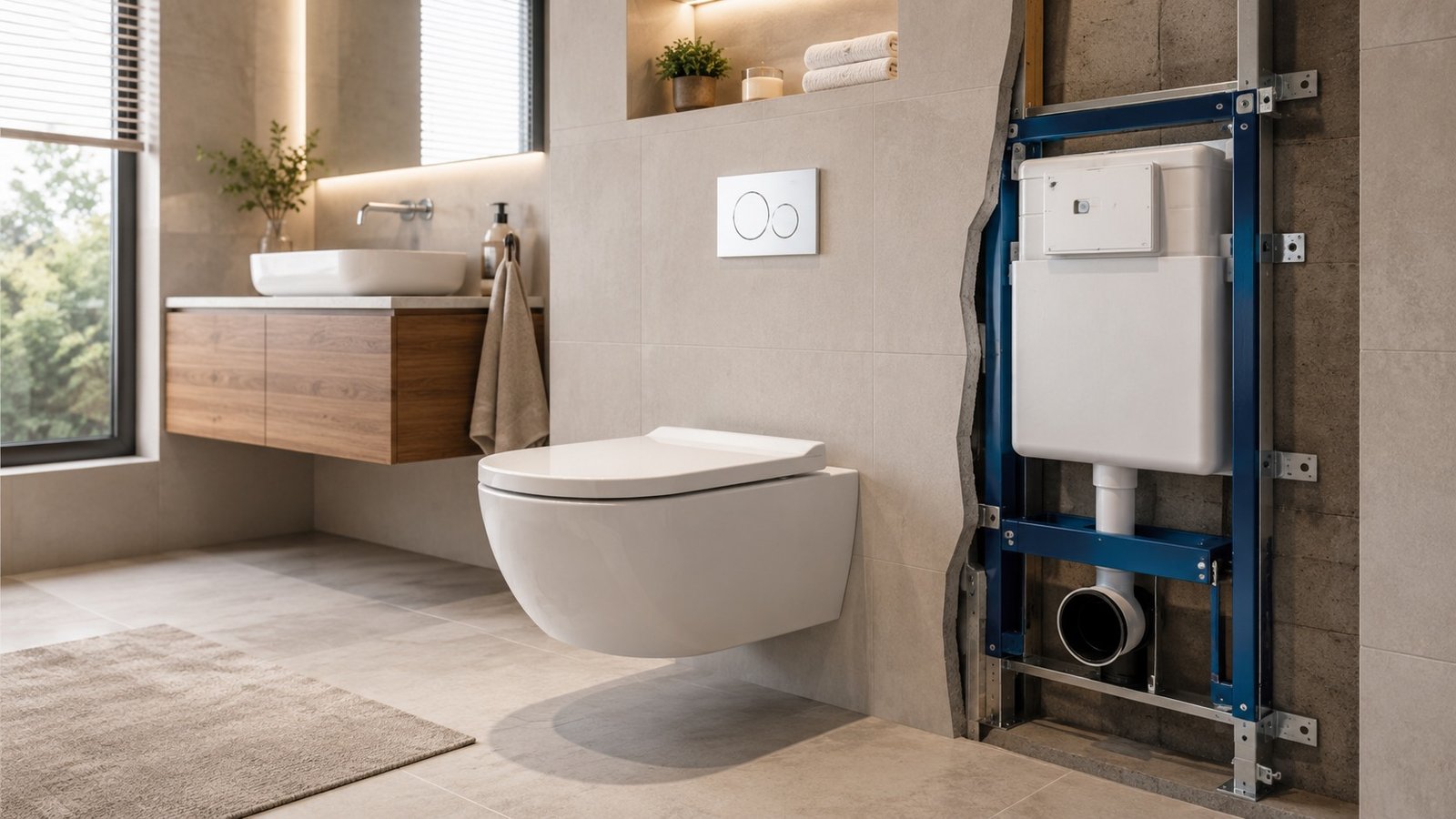
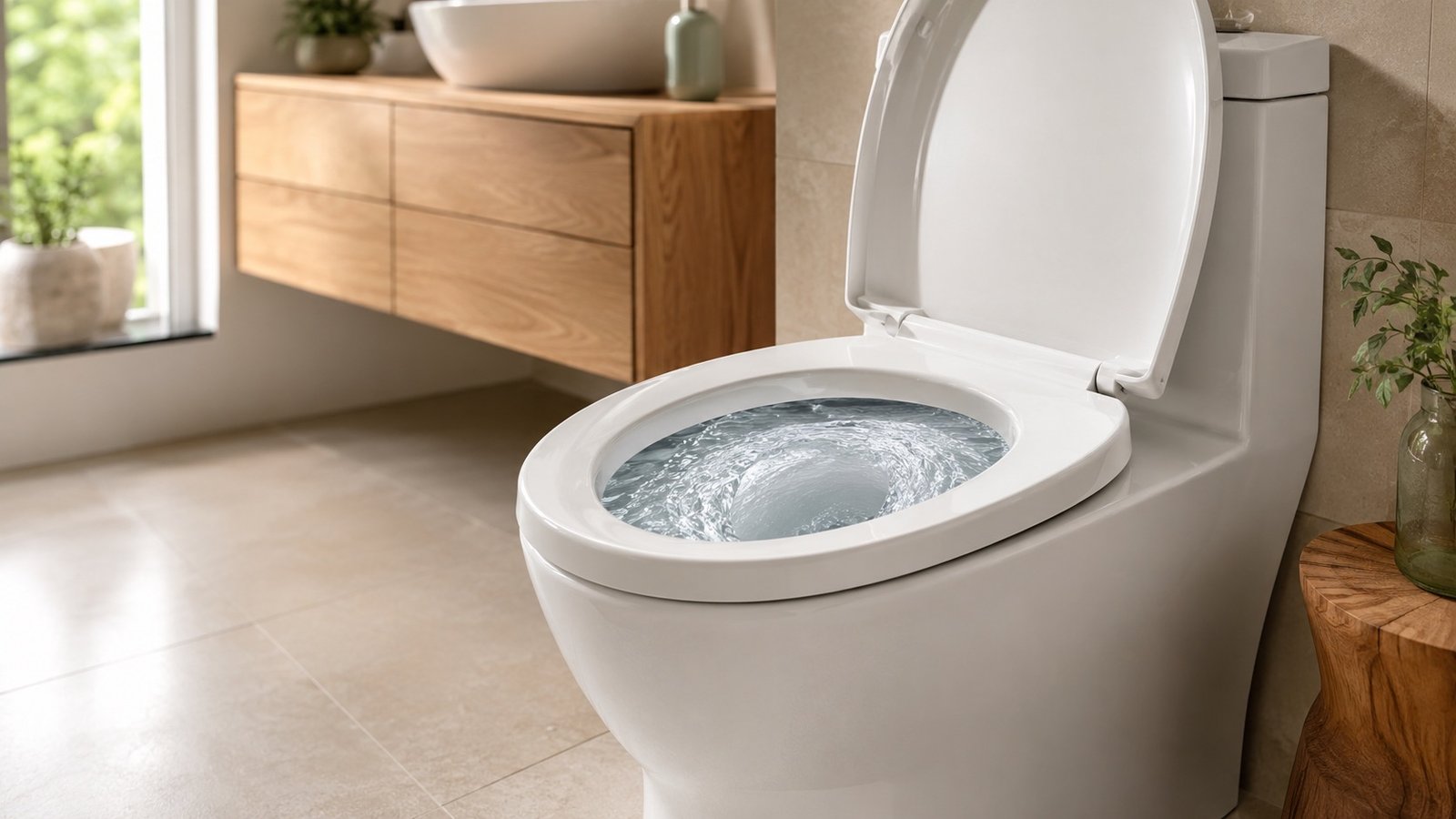
Not all toilets are created equal when it comes to flushing performance. Two toilets can look nearly identical on the showroom floor, yet one clears waste in a single confident flush while the other struggles, clogs, or requires a second try. The difference rarely comes down to luck — it comes down to engineering. Bowl shape, trapway design, flush valve size, and water delivery system all work together to determine how well a toilet performs, flush after flush. Understanding these factors helps buyers, contractors, and hospitality projects select a toilet that performs reliably for years, not just on day one.
In this guide
What determines flush performance · Siphonic vs washdown flush · The role of trapway design · Water volume and flush valves · Signs of a weak flushing toilet · How to choose a reliably flushing toilet · FAQ
What Determines Flush Performance?
Flush performance is the result of several components working together rather than any single feature. The main factors include the shape and slope of the bowl, the diameter and shape of the trapway, the amount of water released per flush, the design of the flush valve, and how efficiently water is directed around the bowl during the flush cycle. A toilet that excels in one area but is poorly designed in another will still underperform, which is why flushing power should be evaluated as a complete system rather than a single spec on a data sheet.
Siphonic Flush vs Washdown Flush
Toilets generally use one of two flushing technologies, and the difference has a major impact on performance:
Siphonic flush: Water fills the trapway and creates a siphon effect that pulls waste and water out of the bowl using suction, in addition to gravity. This produces a quieter, more thorough flush and is widely used in higher-performing residential and commercial toilets.
Washdown flush: Water simply pushes waste out of the bowl using gravity and downward force, without a siphon effect. This design tends to be simpler and more resistant to clogging with larger waste, though it can be louder and, in lower-quality models, less thorough than a well-engineered siphonic system.
Neither technology is universally “better” — the right choice depends on regional plumbing standards, project requirements, and the water pressure available at the installation site.
The Role of Trapway Design
The trapway is the internal passage that waste travels through as it leaves the bowl. Its diameter and glaze quality have a direct effect on flushing reliability. A narrow or poorly glazed trapway is more likely to trap waste and cause clogs, while a wider, fully glazed trapway allows waste to pass through smoothly with less resistance. Manufacturers that fully glaze the interior of the trapway — not just the visible bowl surface — typically produce toilets with more consistent long-term flushing performance, since a smooth surface reduces friction and buildup over repeated use.
Water Volume and Flush Valve Design
Modern toilets are designed to use significantly less water than older models, but the way that water is delivered matters just as much as the amount. A larger flush valve opening allows water to leave the tank quickly, creating a stronger initial rush that clears the bowl more effectively — this is especially important in water-efficient toilets, which have less volume to work with. Dual-flush systems add flexibility by offering a smaller volume for liquid waste and a larger volume for solid waste, helping balance water conservation with flushing power when properly engineered.
A wider flush valve generally produces a faster, more forceful initial flush.
Bowl water surface area affects how well waste is covered and rinsed after each use.
Rim jet placement and angle influence how evenly water circulates around the bowl during the flush.
Signs of a Weak Flushing Toilet
Certain warning signs tend to appear early when a toilet’s flushing system is poorly designed or improperly installed. Recognizing them can help buyers and property managers address issues before they affect tenants or guests:
- Waste is not fully cleared after a single flush and requires repeated attempts.
- Water rises unusually high in the bowl before draining, suggesting a partial trapway blockage or restricted vent.
- The flush sounds weak, gurgling, or unusually prolonged compared to similar models.
- Frequent clogging occurs even with normal use and appropriate toilet paper.
How to Choose a Toilet With Reliable Flushing Performance
For homeowners, contractors, and bulk buyers sourcing toilets for hotels, apartments, or commercial developments, flushing performance should be evaluated early in the selection process rather than left as an afterthought. Look for a fully glazed trapway, a flush valve sized appropriately for the toilet’s rated water volume, and a bowl design that maintains adequate water surface coverage. For large-scale or hospitality projects, requesting flush performance data or third-party test results from the manufacturer helps ensure consistent results across every unit installed, reducing maintenance calls and guest complaints after the property opens.
Frequently Asked Questions
Do water-efficient toilets flush weaker than older, high-volume models?
Not necessarily. A well-engineered low-flow toilet with a properly sized flush valve and trapway can outperform an older high-volume model, since flushing strength depends on design efficiency, not just water quantity.
Is a siphonic flush always better than a washdown flush?
Not always. Siphonic systems tend to be quieter and more thorough, but washdown systems can be simpler and resistant to certain types of clogs. The best choice depends on the project’s plumbing standards and performance requirements.
Can a weak flush be fixed without replacing the toilet?
In some cases, adjusting the water level in the tank, cleaning rim jets, or clearing a partial trapway blockage can improve performance. However, if the weakness comes from the toilet’s core design, replacement is usually the more reliable long-term solution.
Final Thoughts
Flushing performance is not a matter of chance — it is the result of deliberate engineering choices in bowl shape, trapway design, flush valve sizing, and water delivery. Toilets that combine a fully glazed trapway, a well-sized flush valve, and a balanced water flow consistently outperform models that cut corners in any one of these areas. Whether furnishing a single bathroom or sourcing units for an entire property, prioritizing these design factors is the most reliable way to avoid weak flushes, clogs, and costly maintenance down the line.