When sourcing or installing a ceramic toilet, one of the first technical decisions is the trap type — the shape and direction of the internal water passage that connects the toilet bowl to the drainage system. The two most common types used worldwide are the S-trap and the P-trap. Although both perform the same basic function of sealing sewer gas and carrying waste away, they differ in outlet direction, installation method, and regional application. Understanding this difference is essential before placing an order for a bathroom renovation, hotel project, or wholesale purchase.
In this guide
What a trap means · Key differences at a glance · S-trap explained · P-trap explained · How to identify your drainage type · Why it matters for bulk buyers · FAQ
What Does “Trap” Mean on a Toilet?
Every toilet has an internal curved channel, called a trap, that holds a small amount of water at all times. This water forms a seal that prevents sewer gas from entering the bathroom while allowing waste to flow out during flushing. The letter used to describe the trap — S or P — refers to the shape of this internal pipe when viewed from the side, and more importantly, to the direction the outlet faces once it leaves the toilet base.
S-Trap vs P-Trap: Key Differences
| Feature | S-Trap Toilet | P-Trap Toilet |
|---|---|---|
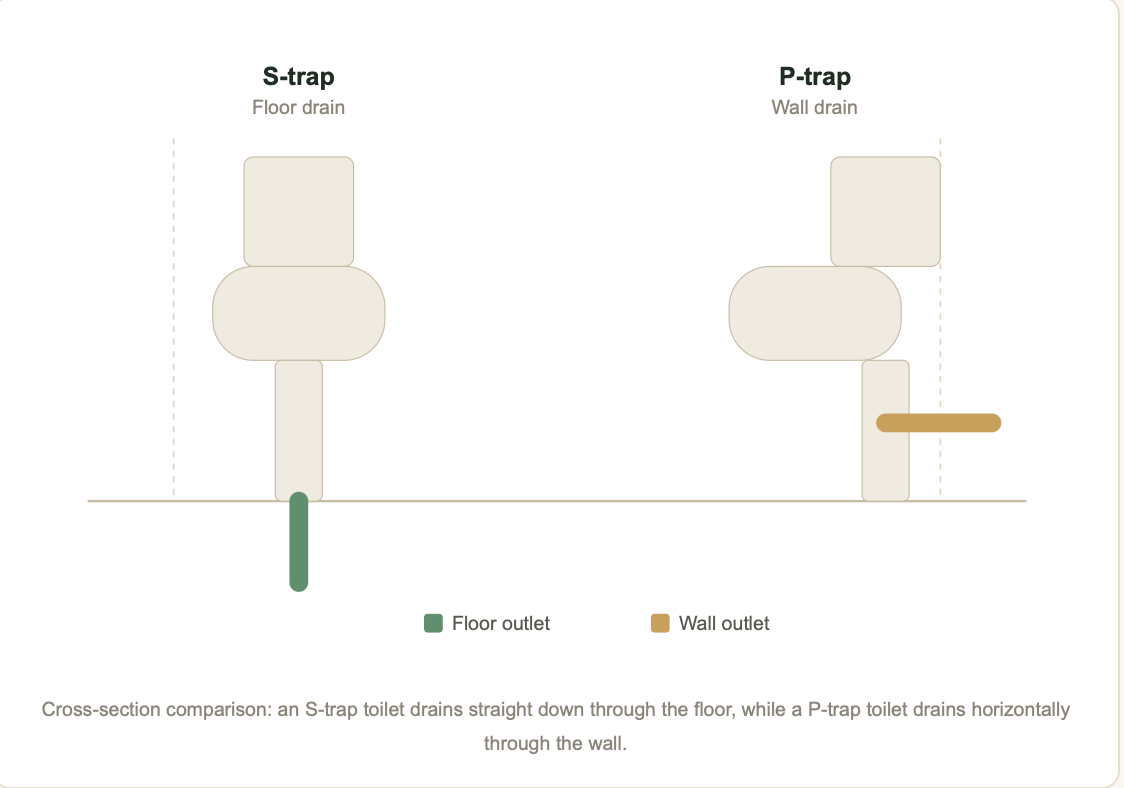
| Outlet Direction | Drains straight down into the floor | Drains horizontally out the rear, into the wall |
| Typical Installation | Floor-mounted drainage pipe | Wall-mounted drainage pipe |
| Common Regions | Asia, parts of Europe, older buildings | Europe, North America, modern residential builds |
| Renovation Flexibility | Requires floor rough-in access | Requires wall rough-in access |
| Water Seal Performance | Reliable, gravity-assisted seal | Reliable, standard for most municipal systems |
What Is an S-Trap Toilet?
An S-trap toilet has an outlet located at the base of the unit, and the waste pipe travels straight down through the floor before curving away underneath the building. This design is common in older homes and in regions where floor drainage systems are the building standard. S-trap toilets are generally easier to align with existing floor plumbing, but they offer less flexibility during renovation because the drain pipe position is fixed beneath the floor slab.
Best suited for: Buildings with existing floor drainage, ground-floor bathrooms, and regions where floor-outlet plumbing is the local standard.
What Is a P-Trap Toilet?
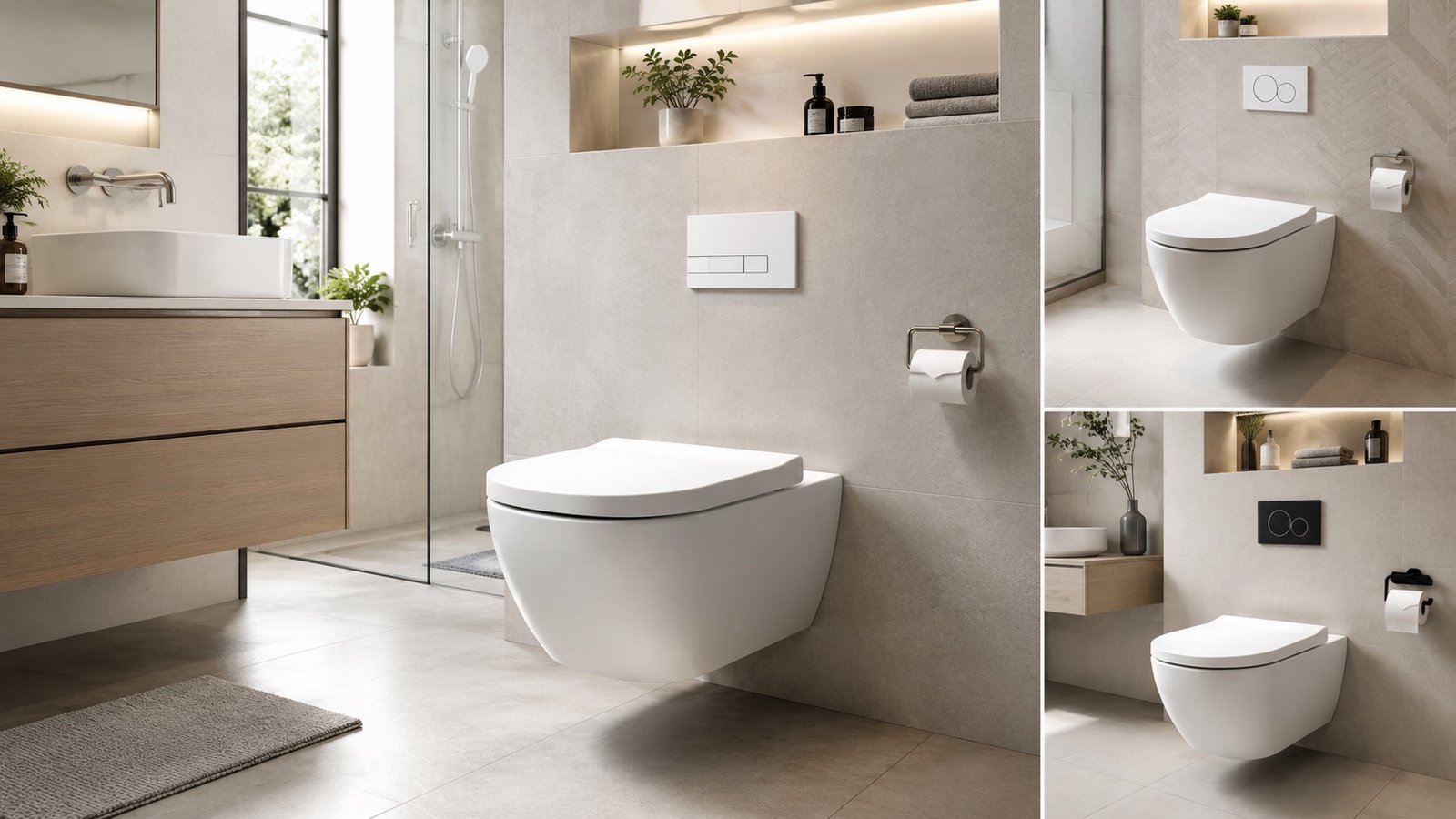
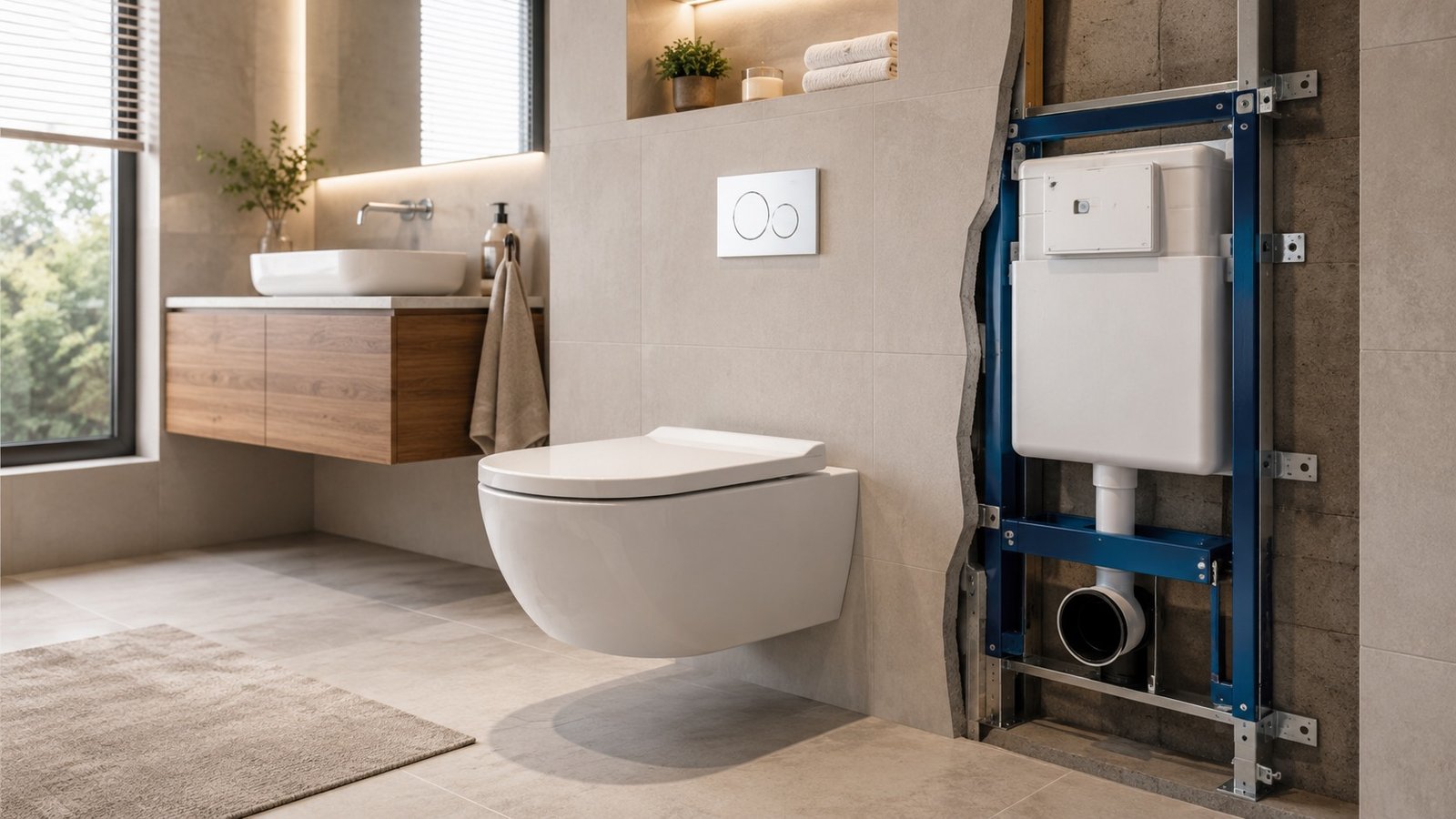
A P-trap toilet routes waste horizontally out the back of the unit and into a pipe set inside the wall, rather than the floor. This configuration is widely used in modern residential and commercial construction because it allows for cleaner floor space and is compatible with many multi-story building layouts. P-trap toilets, such as models with a 180mm rear outlet, are especially common in European-style plumbing systems and are frequently specified for hotel and apartment projects.
Best suited for: New construction, upper-floor bathrooms, hotel and apartment projects, and regions following European (P-trap 180mm) plumbing standards.
How to Identify Which Trap Type You Need
Before ordering a toilet, it is important to confirm the existing drainage layout of the bathroom, since the two trap types are not interchangeable without modifying the plumbing:
If the waste pipe exits through the floor, an S-trap toilet is required.
If the waste pipe exits through the wall, a P-trap toilet is required.
Measure the distance from the wall to the center of the drain outlet — this “rough-in” measurement determines compatible toilet models.
For renovation projects, confirm the trap type with a plumber before purchasing, since changing from one system to another may require altering the drainage pipework.
Why Trap Type Matters for Bulk and Project Buyers
For contractors, developers, and wholesale distributors, specifying the correct trap type is one of the most important steps in a bathroom procurement plan. Ordering the wrong trap configuration for a batch of units can lead to costly on-site rework, delayed installation schedules, and compatibility issues across multi-unit developments such as hotels, apartment complexes, and office buildings. Confirming the local plumbing standard — S-trap or P-trap — before placing a bulk order helps ensure a smooth installation process across the entire project.
Frequently Asked Questions
Can I replace an S-trap toilet with a P-trap toilet?
Not without modifying the plumbing. Since the drain outlet direction is different, switching trap types usually requires rerouting the waste pipe, which is best planned during a full bathroom renovation.
Is one trap type better than the other?
Neither type is inherently better — both provide a reliable water seal and stable flushing performance. The right choice depends entirely on the existing or planned drainage layout of the building.
What is the standard P-trap measurement used in Europe?
A 180mm P-trap outlet is a widely used standard for European-style bathrooms and is a common specification requested for hotel, apartment, and residential projects.
Final Thoughts
Choosing between an S-trap and a P-trap toilet comes down to the existing drainage direction of the bathroom — floor outlet or wall outlet. Both trap types deliver dependable performance when matched correctly to the building’s plumbing system. For renovation projects, always confirm the rough-in measurement and trap direction before ordering, and for new construction or bulk procurement, specifying the correct trap type early helps avoid installation delays and ensures a consistent result across every unit.